
Energy Attribute Certification (EAC) 

TSL I-RECs (International Renewable Energy Certifications) 


As a globally recognized EAC,  an I-REC verifies and tracks the true value of renewable electricity. It plays a critical role in reaching carbon neutrality by helping organizations offset their emissions with verified clean energy. For suppliers, offering I-RECs demonstrates a commitment to highly reliable renewable power—a crucial asset for international compliance and a vital contribution to the global race toward net-zero.


Protecting the planet and fostering a sustainable environment:


  • Climate change mitigation through the reduction of 190,000 (apx.) tons of CO₂ emissions per year, which is equivalent to the environmental benefit of saving over 300,000+ trees annually.

  • Reducing dependency 75,000 Tons (apx.) on fossil fuels by offsetting significant fossil fuel consumption each year.                                                                        

Smart O&M Solutions

Thermal UAV (Drone PV Inspection) Solutions   

Compact and intelligent multi-sensor flagship UAV equipped with radiometric thermal sensors which allows the operation and maintenance (O&M) team at Teesta Solar to scan vast photovoltaic (PV) arrays efficiently. The thermal UAV identifies temperature anomalies caused by electrical bottlenecks or panel damage without requiring system shutdowns.


Benefits of Thermal UAV (Drone Inspections)
 
Thermal UAV capture infrared radiation from photovoltaic (PV) modules, identifying temperature anomalies that indicate electrical faults, structural damage, or physical obstruction. 

  • Early Fault & Hotspot Detection: Hotspots occur when defective cells or severe shading cause localized heat buildup. Thermal cameras highlight these anomalies instantly, preventing permanent panel degradation, micro-cracking, junction box failure, or fire hazards. 
  • Massive Speed & Scale: Manual String/I-V curve testing across a multi-megawatt plant takes weeks. A thermal UAV can scan an entire solar farm in hours, pinpointing exact GPS-tagged faulty panels.
  • Reduced Downtime & Labor Costs: Technicians are dispatched directly to the exact location of broken components rather than manually troubleshooting thousands of panels.
  • Improved Safety: Eliminates the need for manual inspection at heights (roofs) or harsh terrain, significantly lowering operational risk for O&M Teams.

Solar PV Cleaning Robots 


A Robotic Solar Panel Cleaning System is an automated or semi-automated cleaning device designed to traverse photovoltaic (PV) arrays and remove dirt, dust, sand, bird droppings, and environmental grime. 

Soiling can reduce solar energy output by 10% to over 50% depending on the location, robotic cleaners ensure maximum power production without the labor costs, water waste, or safety risks of manual cleaning.

  • Continuous Performance & Yield Maximization: Cleaning robots can run daily or nightly, ensuring panels operate continuously near peak efficiency, preventing gradual degradation. 
  • Significant Water Savings: Many modern solar cleaning robots use specialized dry-cleaning mechanisms (such as micro-fiber brushes, air airflow, or vacuum technology). This eliminates heavy water usage, making them ideal for arid, water-scarce regions.  
  • Protects Module Integrity: Automated systems apply uniform, controlled pressure across glass surfaces, eliminating the risk of micro-cracks or scratches often caused by heavy manual cleaning tools. 
  • Automated O&M Schedules: Robotic cleaners can be programmed to run autonomously during off-peak hours (like night-time), avoiding loss of power generation during daylight hours.

EPC & Project Management Solutions 

Integrated Delivery Model

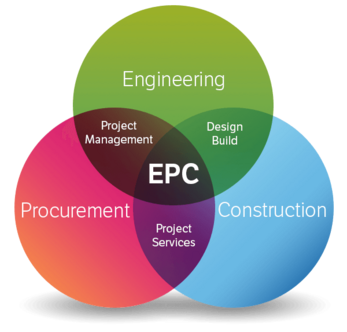
EPC projects are high-stakes yet deeply rewarding, requiring a precise mix of engineering expertise, logistical coordination, and rigorous management. By unifying design, sourcing, and build phases under a single contract, this model streamlines execution and reduces risk—making it the preferred delivery method for large-scale global infrastructure.


Choosing TSL for Engineering, Procurement, and Construction (EPC) delivers several strategic advantages:


  • End-to-End Delivery & Single-Point Accountability : By bundling design, procurement, and execution under one contract, takes full ownership of the project lifecycle. This removes the administrative burden of managing separate architects, suppliers, and builders, creating a single line of accountability that reduces friction and prevents scope gaps.
  • Integrated Pre-Construction & Technical Expertise: Emphasizes early-stage technical planning (such as Pre-Construction Service Agreements, geotechnical modeling, and digital integration). Identifying constructability issues and supply chain constraints during the design phase mitigates downstream delays, ensures regulatory compliance, and keeps costs predictable.
  • Commercial & Risk Protection: Using TSL’s EPC model shifts execution, design, and supply risks from the owner to the contractor. Benefits include:
  • Cost Certainty: Fixed lump-sum pricing protects projects from unexpected budget overruns.
  • Schedule Discipline: Guaranteed completion targets backed by clear timelines and performance guarantees.
  • Quality Assurance: Standardized procurement and rigorous site quality control ensure systems are fully tested and compliant before handover.
  • Specialized Supply Chain & Global Reach: Leverages established local and international vendor networks to source critical long-lead equipment efficiently. This buying power secures competitive material costs and minimizes lead-time disruptions on complex, capital-intensive developments.

Interested in these solutions?

Get in Touch